What Molecular Compounds Are Soluble In Water
As a result phenols are insoluble in 5 NaCHO 3. The carbohydrates we use as foods have their origin in the photosynthesis of plants.

Organic Vs Inorganic Chemistry Schoolworkhelper Organic Chemistry Jokes Organic Chemistry Chemistry Jokes
If a compound is soluble in 5 HCl it is an amine.

What molecular compounds are soluble in water. It reacts with oxygen and its loss is consequently closely related to the availability of oxygen in packages. Water is the most abundant molecule in cells accounting for 70 or more of total cell mass. - Soluble organic compounds of high molecular weight such as proteins or polymers with a slightly larger particle size of between 10-3 and 10-2 µm.
Cells are composed of water inorganic ions and carbon-containing organic molecules. Usually molecular compounds are insoluble in water but are soluble in organic solvents. To this end the following table lists the water miscibility or solubility of an assortment of low molecular weight organic compounds.
Methanol has the shortest carbon chain of all alcohols one carbon atom followed by ethanol. They take the form of sugars starches and cellulose. In particular Vitamin C is a sensitive compound in coconut water.
The molecule increasingly becomes overall more nonpolar and therefore less soluble in the polar water as the carbon chain becomes longer. An example of molecular descriptors is the LogP which is a quantitative representation of the lipophilicity of the molecules it is obtained by measuring the partitioning of the molecule between an aqueous phase and a lipophilic phase which consists usually of water n-octanol. Consequently the interactions between water and the other constituents of cells are of central importance in biological chemistry.
- Inorganic compounds ions andor organic com-pounds of low molecular weight with a particle size of at most 10-3 µm. Molecular descriptors can be useful in performing similarity. Coconut water contains many water-soluble vitamins see Chapter 3 Table 34.
Phenolic compounds occur in free and conjugated forms with sugars acids and other biomolecules as water-soluble phenolic acids flavonoids and quinones or water-insoluble compounds condensed tannins. Water a substance composed of the chemical elements hydrogen and oxygen and existing in gaseous liquid and solid states. It is a member of the chalcogen group in the periodic table a highly reactive nonmetal and an oxidizing agent that readily forms oxides with most elements as well as with other compoundsOxygen is Earths most abundant element and after hydrogen and helium it is the third-most abundant element in the universe.
H2O CO2 ROH O NaHCO 3aq carboxylic acid ONa H2COeq 3 water soluble 5 Hydrochloric Acid Water-insoluble compounds that are insoluble in 5 NaOH are tested with 5 hydrochloric acid HCl. It is one of the most plentiful and essential of compoundsA tasteless and odourless liquid at room temperature it has the important ability to dissolve many other substances. 3 to form water-soluble salts.
The miscibility of other liquids in water and the solubility of solids in water must be considered when isolating and purifying compounds. Indeed the versatility of water as a solvent is essential to living organisms. The critical property of water in this respect is that it is a polar molecule in.
The name carbohydrate means watered carbon or carbon with attached water molecules. The sugar we use to sweeten coffee or tea is a molecular solid in which the individual molecules are held together by relatively weak intermolecular forcesWhen sugar dissolves in water the weak bonds between the individual sucrose molecules are broken and these C 12 H 22 O 11 molecules are released into solution. Hydroxyl groups -OH found in alcohols are polar and therefore hydrophilic water liking but their carbon chain portion is non-polar which make them hydrophobic.
Differences between Ionic and Molecular Compounds An ionic compound is formed by the reaction of a metal with a non-metal whereas a molecular compound is usually formed by the reaction of two or more non-metals. Water is the single most abundant and important liquid on this planet. Oxygen is the chemical element with the symbol O and atomic number 8.
They are compounds of carbon hydrogen and oxygen with a ratio of two hydrogens for every oxygen atom. Why Do Some Solids Dissolve in Water.

Chemistry Articles Buzzle Com Chemistry Basics Chemistry Classroom Teaching Chemistry

What Is A Polar Covalent Bond Tutor Pace Covalent Bonding Chemistry Chemical Science

Soluble And Insoluble Compounds Chart Solubility Rules Table List Of Salts Substances Youtube Organic Chemistry Chemistry Notes Organic Chemistry Humor

Introduction To Chemical Reactions Chemistry Lessons Teaching Chemistry Chemistry Classroom

Ddt Full Form What Was Ddt Used For Is Ddt Harmful To Humans Physical Chemistry Chemistry Chemistry Notes

Polar Vs Nonpolar Covalent Bonding Medical Student Study Science Chemistry

Water Molecules And Their Interaction With Salt
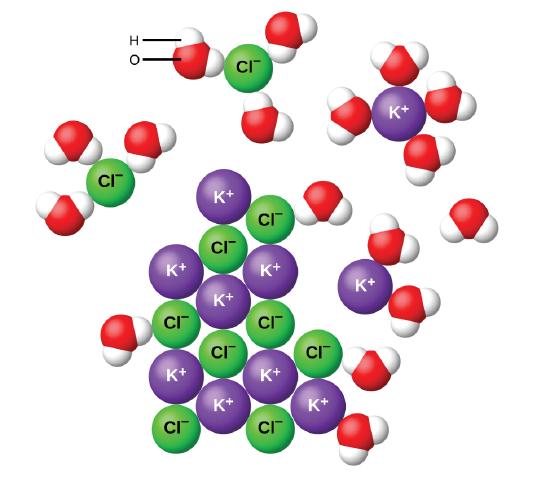
7 5 Aqueous Solutions And Solubility Compounds Dissolved In Water Chemistry Libretexts

Coordinate Covalent Bond Easy Science Covalent Bonding Bond Coordinates

Two Chemical Equations Demonstrating Proton Transfer In Water In The First Equation Water Autoi Middle School Chemistry Chemistry Classroom Chemical Changes

Difference Between Polar And Nonpolar Molecules Definition Formation Properties Examples Covalent Bonding Study Chemistry Chemical Bond

Polar And Nonpolar Molecules Covalent Bonding Chemistry Lessons Molecules
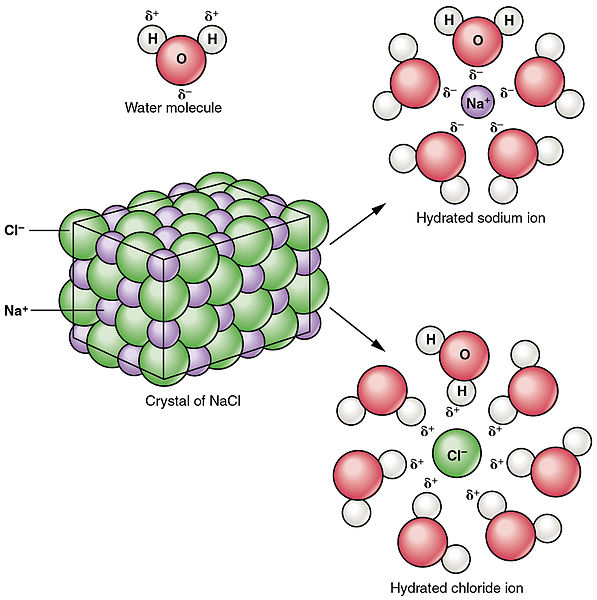
What Determines Whether A Solid Is Soluble In Water Socratic

Unisprint Organic Chemical Properties Of Alkanes Part 1 Chemical Property Chemistry Biochemistry
Pin Auf Physical Science
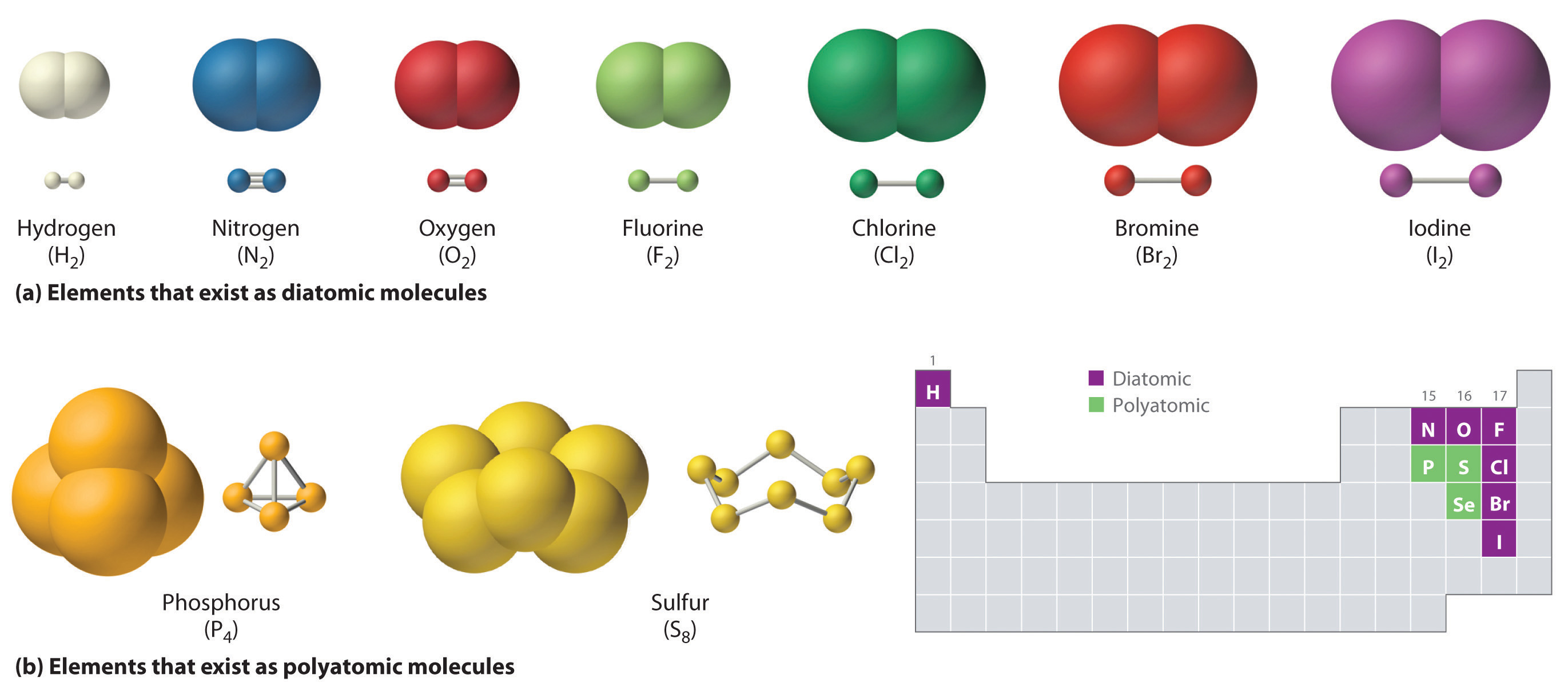
Ch150 Chapter 4 Covalent Bonds And Molecular Compounds Chemistry

Benzaldehyde Structure Chemistry Notes Chemistry Formula

Chemical Principles Chemistry Classroom Chemistry Experiments Study Chemistry

Ionic And Molecular Compounds Chemistry Classroom Teaching Chemistry Chemistry Education